
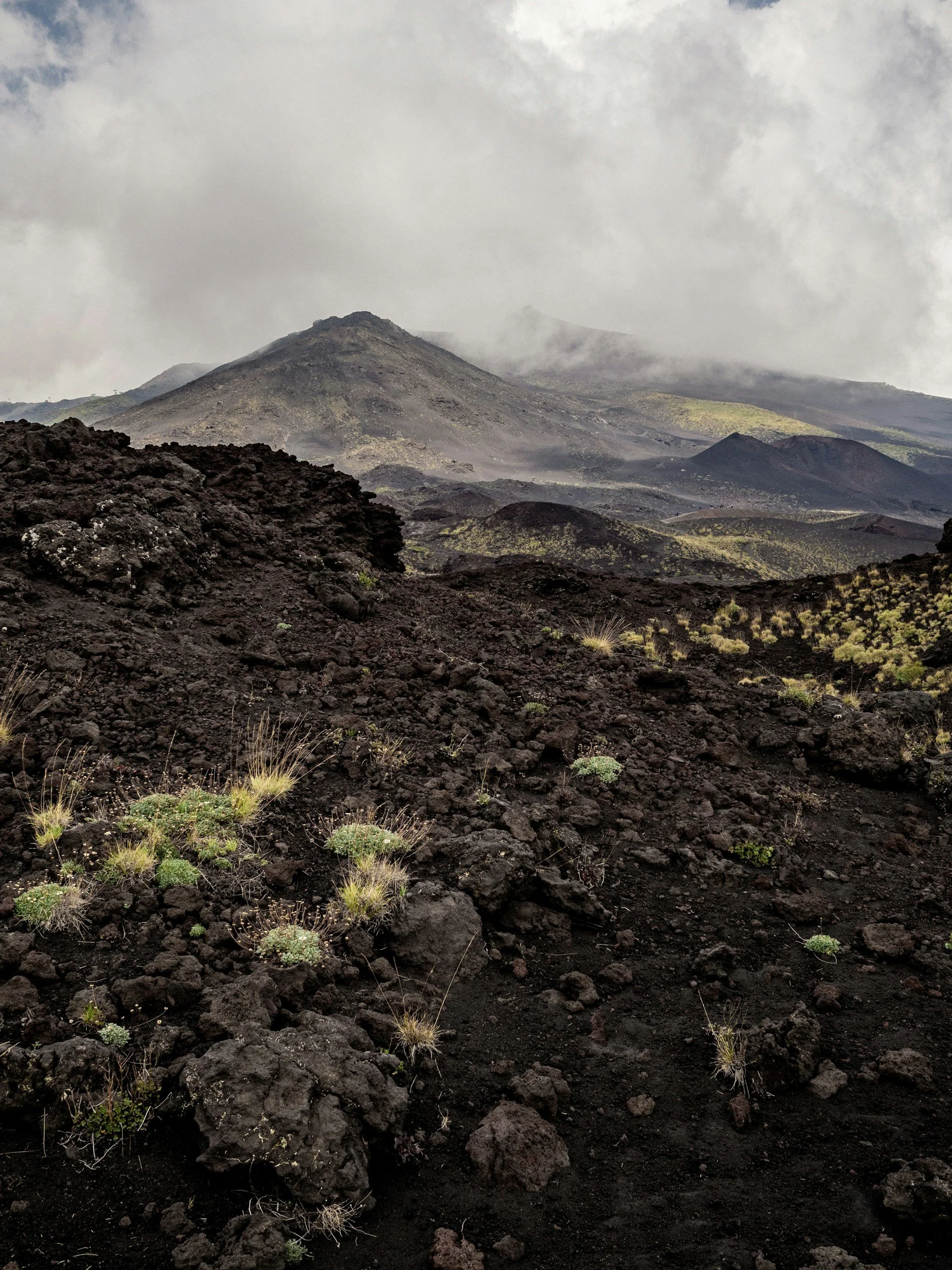
The land is not scenery—it is witness

Why It Matters
Indigenous peoples have always known what Western systems are just beginning to remember: the land holds story. Not as metaphor, but as fact. The salmon know something about return. The forest floor knows something about decay and regeneration. The mountain knows something about endurance. These are not poetic flourishes—they are knowledge systems, carried across generations, encoded in relationship.
When we gather to tell stories, we gather somewhere. That somewhere is not neutral. It has witnessed what came before. It holds the memory of who was displaced, what was extracted, how the waters ran before they were redirected. To ignore this is to miss half the story.
Listening to land requires different practices than listening to people. It asks for stillness. It asks for humility. It asks us to consider that we are not the only ones with something to say.
What This Looks Like
A land justice initiative begins its work by spending time on the land itself—walking, sitting, listening. Participants notice that certain places carry heaviness; elders share that these are sites of historical violence. The storytelling process shifts: before any human stories are gathered, time is made to acknowledge what the land holds. The land is treated not as backdrop but as witness and keeper of memory.
In another context, a community organization planning a series of story circles researches the history of their meeting space—a building that once housed a residential school. They consult with Indigenous elders about whether and how to proceed. The decision is made to begin each gathering with a protocol that honours what the walls have witnessed. This is not a formality. It changes what people feel able to say.
Try This
Before any gathering, learn what you can about the place. Whose territory is this? What happened here? What was here before the building, before the road, before the name it carries now? Consider spending time in the place before formal gathering begins—walking, noticing, listening to what the land or space communicates.
Design gatherings that acknowledge the land as a participant—not just a location. This might mean opening with silence, with a walk, with a question about what participants notice in the place itself. It might mean consulting with Indigenous knowledge keepers about protocol. It might mean choosing a different place entirely.
Common Missteps to Tend
Treating land acknowledgment as checkbox rather than relationship. Also watch for extracting Indigenous concepts without engaging Indigenous communities, or romanticizing connection to land without doing the work of learning specific histories and protocols. And watch for assuming that your relationship to land is the same as everyone's in the room—for some, the land holds trauma; for others, it holds home.
“The mountain witnessed what happened before any of us arrived. Listening to land isn’t metaphor. It’s methodology.”