Design for multiple forms of expression

Why It Matters
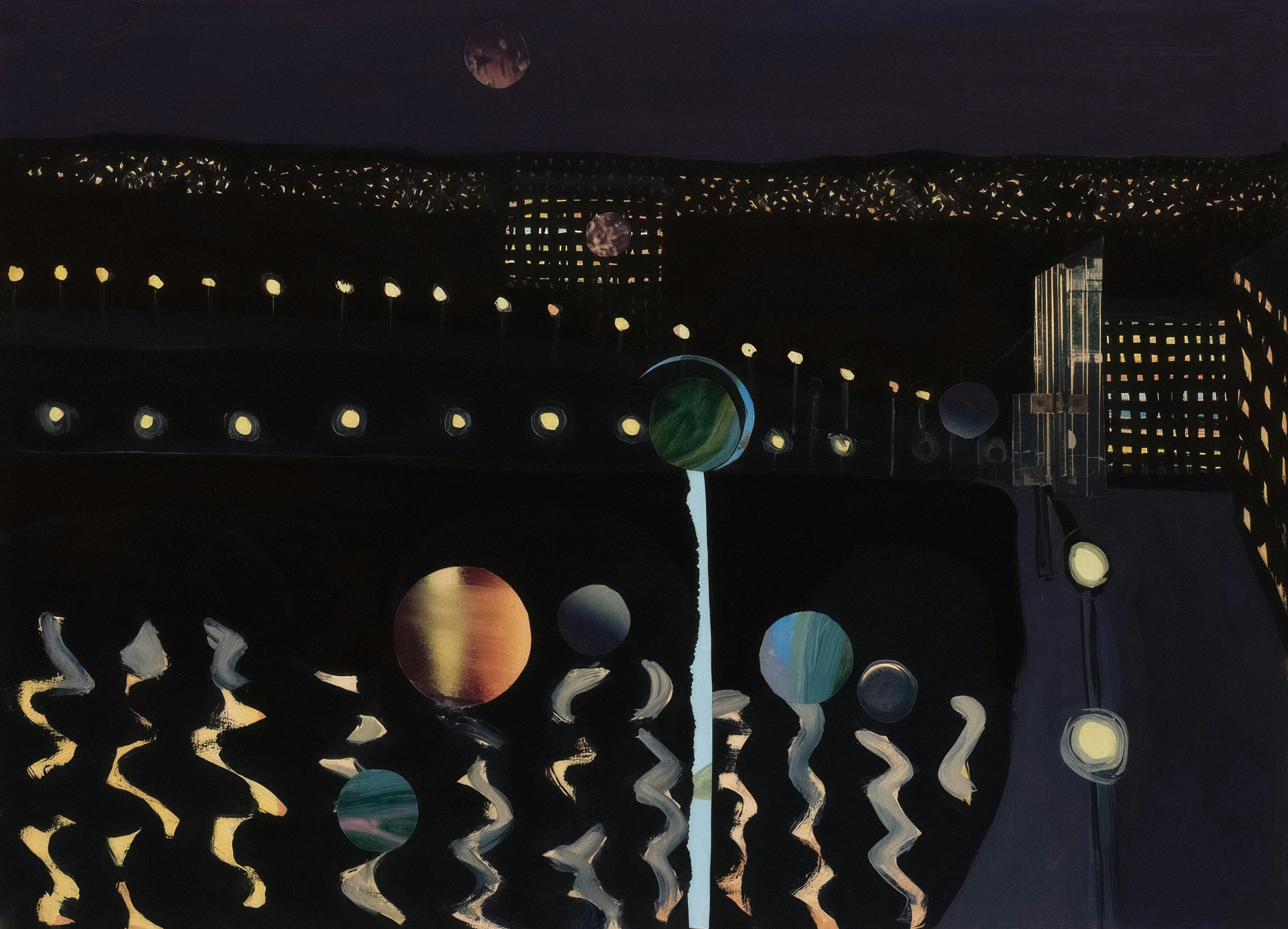
Image, movement, music, ritual, installation, body mapping, collage, theatre—these are not supplements to verbal storytelling. They are forms of expression in their own right, often carrying what language cannot. Some things are too complex for sentences. Some are too raw. Some belong to ways of knowing that predate or exceed written language.
Arts-based approaches can be particularly powerful for lifting up the stories that are hardest to say—what lives beneath words, what hasn't yet found language, what would cost too much to say directly. A body map can show what an interview cannot. A collage can hold contradictions that a narrative would have to resolve. A song can carry grief that would flatten into cliché if spoken.
Expanding what counts as storytelling makes room for depth where explanation falls short, and for insight that doesn't arrive in orderly sentences. It means offering multiple modes of expression as legitimate—not as accommodations for those who "can't" do verbal storytelling, but as often more powerful and more true.
What This Looks Like
A community health initiative moved away from recorded interviews and instead invited participants to create body maps—life-sized outlines marked with symbols, colors, images representing their experience of the healthcare system. What emerged wasn't something language could have captured: patterns of pain, areas of neglect, places of strength, relationships between parts that words would have separated. Participants who struggled to articulate their experience in previous processes found this form opened something. The maps became ongoing reference points—returned to, added to, understood differently over time.
Try This
When planning a storytelling process, ask: What forms might carry what words cannot? What modes of expression are familiar or meaningful to this community? Offer visual, embodied, and sonic forms as legitimate options from the start—not as backup for when verbal methods fail. And prepare yourself to receive what emerges: arts-based forms require different ways of listening, interpreting, and honouring.
Living Stories Framework (discusses multiple forms including visual, embodied, sonic)
Common Missteps to Tend
Treating non-verbal forms as "creative add-ons" rather than rigorous ways of knowing. Also watch for assuming that all participants are equally comfortable with all forms—arts-based approaches carry their own accessibility considerations. And watch for the habit of translating everything back into words, which can strip out exactly what the form made possible.