Corporación Dunna
(Bogota, Colombia)
Context setting
Maria Adelaida Lopez and Natalia Quinones wanted to understand what it would take for peace in Colombia, post the country’s 2016 peace accord, to actually hold. While political agreements could stop the shooting, and individual therapy could treat symptoms, neither addressed what violence actually breaks: the web of relationships between people, communities, and land that make life possible.
Through the organization they founded, Corporación Dunna, they tested an integrated peace building approach—six-month journeys combining body-based trauma processing, restorative justice circles, and land-based healing projects in Colombia's post-conflict regions. The question wasn't just how to help individuals heal, but whether healing could happen at multiple levels simultaneously: in the body, in community relationships, and in the places where life unfolds.
Why now
Lasting decades, Colombia's armed conflict didn't just traumatize individuals—it shattered everything. Massacres made sacred places too dangerous to visit. Violence turned forests into hiding grounds instead of sources of life. Displacement broke agricultural traditions that had connected families to specific land for generations. The social fabric and the ecological fabric were torn simultaneously.
In their work, Maria Adelaida and Natalia kept noticing something: stories consistently revealed land as witness, victim, and potential healer. People talked about places that held trauma, but also about how working with soil and plants helped them process what had happened. Colombia's post-conflict transition created space to test whether ecological restoration and social restoration could be treated as one process rather than two.
What they tested
Maria Adelaida and Natalia designed processes weaving together three elements usually kept separate: body-based practices that help people process trauma without re-traumatization, restorative justice circles that build collective understanding of what happened and what repair requires, and ecological restoration projects—planting native trees, establishing community gardens, restoring sacred sites damaged during conflict.
They tested whether the land itself could become a space for rebuilding trust. When former enemies work side by side caring for a place that violence had made dangerous, something shifts that talking alone cannot create. Their hypothesis: shared care for land might rebuild relationship more effectively than shared ideology.
They also tested a different relationship to storytelling itself. Rather than directing conversations toward predetermined outcomes, they held space with open curiosity—letting stories arise spontaneously, intertwine, guide themselves. What emerged often surprised them: needs no one had anticipated, shifts no logical framework predicted.
What's shifting
Communities are moving from being subjects of peacebuilding interventions to authors of their own healing processes. Traditional healers are being recognized as essential partners rather than obstacles to "modern" approaches. Land is being repositioned from backdrop to protagonist in reconciliation.
Something is shifting with funders too. When Maria Adelaida and Natalia share the unexpected stories that emerge—needs the original grant didn't name, changes no one planned for—some donors are starting to respond differently: We didn't know this was what was needed. Maybe we should have been investing here all along. The storytelling work is beginning to change not just communities, but the systems that fund community work.
Open questions
How do integrated healing protocols and the inclusion of system stories become tools that communities truly own rather than techniques they're taught?
What does it mean to position land as protagonist in reconciliation processes—and how might this shift broader approaches to post-conflict recovery?
How can the unexpected insights that emerge from open storytelling processes travel back to reshape what funders prioritize?
Connected to these learnings
Silence, contradiction, and the body are part of the story
Fellows
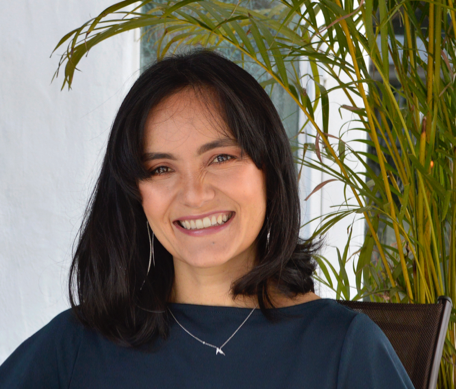
Natalia Quiñones
Co-Founder and Research Director, Dunna
Approach to Work
Natalia Quiñones works at the intersection of storytelling, the body, and collective healing. Growing from the realities of Colombia’s long history of conflict, her work is grounded in the belief that communities carry both deep wounds and deep wisdom. She cares about creating spaces where people can safely reconnect with their stories, their bodies, and one another.
As a co-founder of Dunna, Natalia supports individuals and communities to process trauma and imagine futures shaped by dignity and peace. She blends careful thinking with creative and embodied practices, trusting that healing is not only something we think through, but something we feel and live. Storytelling, movement, and presence are central to how she works.
Natalia approaches her work with humility and curiosity, listening closely to what people need in the moment. She believes that when stories are shared and held with care, they become powerful tools for resilience, understanding, and collective transformation.
Natalia brings the understanding that the stories most difficult to tell are often the ones the system most needs to hear—and that embodied practice is what allows those stories to emerge. She holds the shift from using storytelling as a tool to allowing stories to do their own work: not stories for change, but stories as change. And she brings hard-won experience in helping funders see what they didn't know they were looking for.
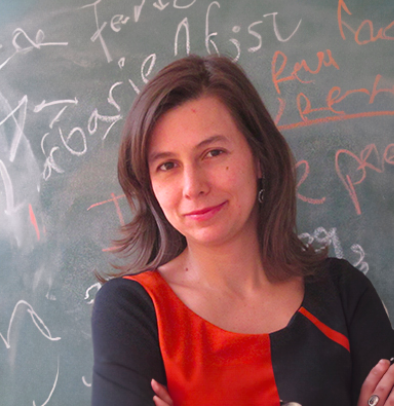
Maria Adelaida Lopez
Co-Founder and Director, Dunna
Approach to Work
Maria Adelaida Lopez is guided by a deep belief in the power of culture, creativity, and the body to support healing and social change. Her work grows from long-standing relationships with communities in Colombia and beyond, where she has supported people to explore meaning, connection, and resilience in the face of hardship.
As a co-founder of Dunna, Maria helps create spaces where individuals and groups can slow down, listen inwardly, and reconnect with their own wisdom. She brings together storytelling, movement, and reflective practice to support collective healing and shared understanding. Her approach is gentle, attentive, and rooted in care for the whole person.
Maria also draws on years of experience working with cultural and social initiatives, alongside her long-term practice as a yoga teacher. At the heart of her work is a commitment to presence, trust, and the belief that lasting change begins when people feel safe enough to be fully themselves.
Maria brings the ability to find images and metaphors for what's difficult to articulate—the creative work of making an embodied methodology visible to those who haven't experienced it. She also brings the long-term yoga practice that grounds Dunna's approach to presence and the body.